
Pool Retiling vs Regrouting: Which Does Your Pool Need?
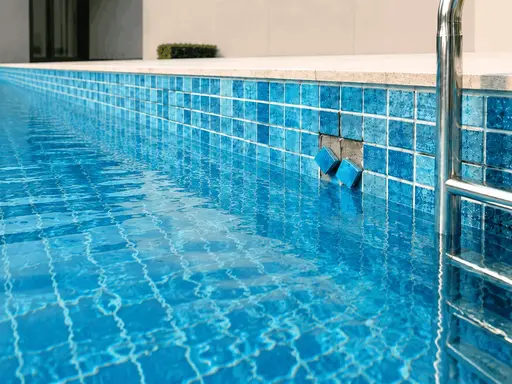
When a swimming pool looks worn, the tiles may not be the real problem. If the tiles are secure and only the joints have deteriorated, pool regrouting may restore the finish. If tiles are loose, hollow or repeatedly falling off, pool retiling is usually the better long-term option.
The right choice depends on the condition below the surface—not appearance alone. A contractor should inspect the tile bond, grout, substrate, movement joints and any leak history before recommending the scope.
Pool Retiling vs Regrouting at a Glance
| Factor | Pool regrouting | Pool retiling |
|---|---|---|
| Main work | Replace deteriorated grout | Replace the tiled finish |
| Best for | Secure tiles; worn joints | Loose, damaged or failing tiles |
| Underlying repairs | Limited | Can include substrate or waterproofing work |
| Cost and disruption | Usually lower | Usually higher because the scope is broader |
When Is Pool Regrouting Enough?
Pool regrouting renews the joints while keeping the existing tiles. It can be a sensible, lower-disruption repair when the tile system is otherwise stable.
- Tiles remain firmly bonded, with no widespread hollow sound or movement.
- Grout is missing, shallow, cracked, stained or crumbling.
- Deterioration is localised and the surrounding finish remains sound.
- No wider substrate, movement or waterproofing defect is identified.
When Does Your Pool Need Retiling?
Pool retiling is a broader renovation. Removing the finish allows failed bedding, render or waterproofing to be assessed and repaired before new tiles are installed.
- Many tiles are loose, missing, moving or hollow-sounding.
- Tiles are cracked, chipped or creating unsafe sharp edges.
- Local repairs keep failing in the same or neighbouring areas.
- The finish is difficult to match, widely deteriorated or due for a full design refresh.
Full pool retiling costs more than regrouting, but it can avoid repeated patch repairs when failure extends beyond the joints. A small number of damaged tiles may still be repaired locally if matching tiles are available and the surrounding system is sound.
Can a Local Pool Tile Repair Be Enough?
A local pool tile repair can be suitable when damage is limited to a small, clearly defined area. The surrounding tiles should remain firmly bonded, the substrate should be stable and matching replacement tiles should be available. This approach can reduce cost, drainage time and disruption while restoring the affected section.
However, isolated damage should still be investigated. A loose tile beside a movement joint, fitting or crack may indicate a problem that extends beyond the visible spot. If several areas sound hollow, tiles keep detaching or previous patch repairs have failed, a wider pool retiling assessment is more appropriate for a more dependable long-term result.
Does Regrouting Fix a Leaking Pool?
Not necessarily. Water loss may come from pipework, fittings, movement joints, cracks, penetrations, the pool shell or the waterproofing layer. Grout is part of the finish, not a substitute for the pool’s waterproofing system. If water loss is unexplained, investigate the leak before choosing regrouting or retiling.
What Affects the Cost and Timeline?
A contractor needs to inspect the pool before giving a reliable price or reopening date. The main variables are:
- Pool size, shape, depth and total tiled area.
- Extent of grout, tile, substrate or waterproofing failure.
- Access, drainage, debris removal and work-site restrictions.
- Selected tile, grout, adhesive and waterproofing system.
- Required preparation, curing, refill and water-balancing time.
Regrouting is normally faster because the tiles stay in place. Retiling takes longer because removal, repairs, installation and curing must be completed in sequence. Product data and site conditions determine the final programme.
What Should a Contractor Check Before Retiling?
A reliable recommendation should consider the complete pool finish, not only the most obvious damaged area. During the site assessment, the contractor should check:
- The extent of loose, missing, cracked or hollow-sounding tiles.
- Grout condition, movement joints, fittings and visible penetrations.
- Signs of substrate damage, cracking, moisture or waterproofing failure.
- The pool’s leak history, previous repairs and recurring problem areas.
The inspection should also confirm access, drainage arrangements, tile availability and the required curing period. Ask for a written scope that separates confirmed work from possible repairs that may only become visible after tiles are removed. This makes quotations easier to compare and reduces surprises during the renovation.
How Can You Help the New Finish Last?
Good maintenance protects both regrouted and retiled pools. After the specified curing period, follow the contractor’s handover advice and the selected product system’s requirements.
- Maintain balanced pool water and record routine test results.
- Repair open joints or damaged tiles before the defect spreads.
- Avoid harsh tools or cleaning methods that damage grout and tiles.
- Inspect movement joints, fittings and high-use areas regularly.
Early attention to small defects can extend the finish’s service life and help prevent water from reaching weakened areas. For commercial or shared pools, include tile and grout checks in the planned maintenance schedule.
How to Decide
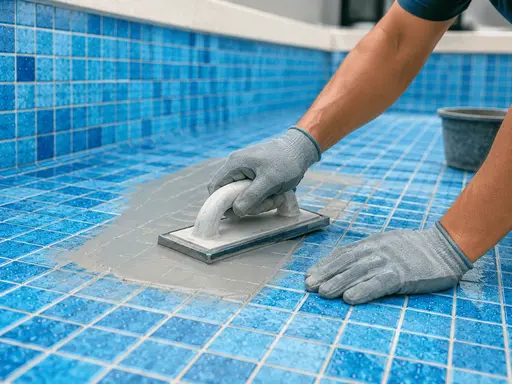
Start with one question: are the tiles still securely bonded? If yes, regrouting may be enough. If not, or if failures keep returning, retiling is more likely to provide a durable result. Avoid choosing on price alone; the cheapest scope is poor value if it leaves the cause untreated.