
Cloudy Pool Water: Why It Happens and What to Check First
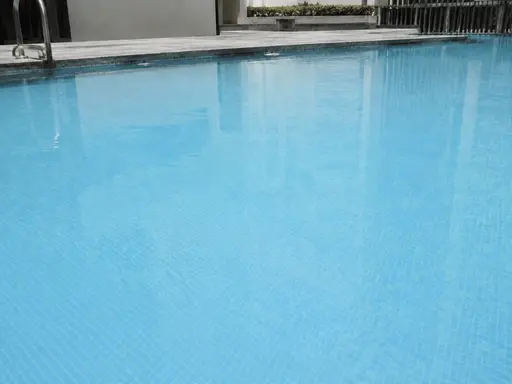
Cloudy pool water often indicates weak circulation, an ineffective filtration system, changing water conditions, rain, debris or early algae growth. Proper circulation moves suspended particles towards the filter. When circulation is disrupted, fine particles can remain in the pool and gradually reduce water clarity.
Why Does Pool Water Become Cloudy?
Cloudiness may appear suddenly, but the underlying issue may have been developing over several days. Reduced flow, accumulated debris or delayed servicing can gradually affect clarity before the water looks noticeably dull. Noting when the change began can help narrow down the likely cause.
Cloudiness develops when fine dirt and organic material remain suspended. Poor flow, a dirty filter, changing conditions or algae can lead to cloudy water.
Different problems can look similar, so check the complete pool system before assuming chemicals will solve it.
Likely cause | What may be happening | First check |
|---|---|---|
Weak circulation | Water is not moving effectively | Pump, water level, baskets and return flow |
Dirty or ineffective filter | Fine debris remains suspended | Filter condition and service history |
Water condition has changed | Treatment may be less effective | Recent maintenance and overall condition |
Rain, heavy use or algae | More organic material has entered | Weather, usage, surfaces and water colour |
Is Cloudy Pool Water Safe to Swim In?
If the floor, steps or main drain cannot be seen clearly, do not use the pool. Poor visibility can conceal a swimmer in difficulty and may indicate that circulation, filtering or treatment is not performing properly.
Blue colour alone does not confirm safe water. Reopen only after the cause is addressed and the pool is checked.
What Should You Check First?
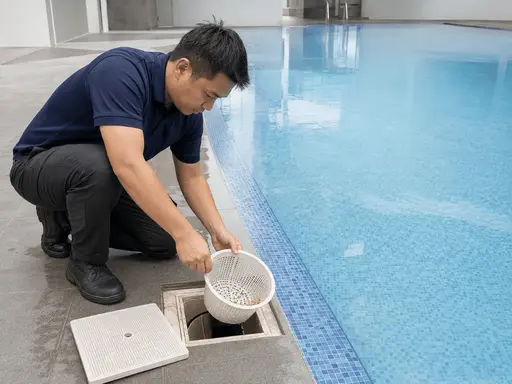
Consider when the cloudiness started and whether it followed rain, heavy use, servicing or treatment. This may show whether the cause relates to equipment, maintenance or changing conditions.
1. Confirm the Pump and Circulation
Check that the pump operates and water returns normally. The pump helps water circulate through the pool and filter. Keep the water level adequate and empty dirty skimmer or pump baskets. Weak flow, air bubbles or repeated loss of flow may indicate a problem.
Also check whether all areas of the pool receive movement from the return inlets. Still areas near steps, corners or water features can collect fine dirt more easily. If some areas remain still while others have normal flow, the circulation system may need adjustment or inspection.
Do not open operating equipment. Arrange an inspection if circulation appears weaker than usual.
2. Inspect the Pool Filter
The filter removes fine particles that skimming cannot collect. When dirty, damaged or overdue for service, it may leave water cloudy. Clean or service it according to its type and instructions. If cloudiness remains or dirt returns through the inlets, arrange an assessment. A filter may look fine externally even when its internal media is worn, so repeated cloudiness after cleaning deserves closer inspection.
3. Testing the Water Before Adding Chemicals
Do not judge the pool by appearance alone. Rain, heavy use and organic material can affect treatment. Review the overall water chemistry instead of one reading: the chlorine level, pH level, total alkalinity and high calcium may influence conditions differently. A high pH result alone does not prove the cause, so do not adjust the pH based only on appearance.
Use a suitable method or arrange professional testing. Recurring cloudiness may involve circulation, filtering or continuing contamination.
4. Consider Rain, Debris and Pool Use
Pools in Singapore may be affected by sudden downpours and long periods of warm weather. Rain can carry dust and debris into the water, while warmer conditions may encourage algae growth when maintenance is delayed. Inspecting the pool after changing weather can prevent a minor clarity issue from becoming more difficult to manage.
Heavy rain can introduce dirt and organic material. Frequent use, sunscreen and nearby works also increase the filter load. Clear the surface, brush affected areas and monitor the water after circulation. After a downpour, clear leaves and surface dirt promptly so the equipment is not overloaded.
5. Look for Early Algae Growth
Algae is not always bright green at the beginning. Early signs may include slightly dull water, a faint colour change or slippery surfaces around the pool. Cleaning may improve the appearance temporarily, but recurring signs should be assessed to identify why the growth is returning .A dull green colour, slippery walls or returning cloudiness may indicate algae. Address circulation, filtering and suitable treatment together; correcting only the colour may allow recurrence.
Should You Add More Chlorine to a Cloudy Pool?
Not automatically. Shocking the pool may suit certain conditions, but it will not repair weak circulation, a clogged filter or damaged equipment. Follow product instructions, never mix chemicals and keep swimmers out until the water is checked and clear.
How Long Does Cloudy Pool Water Take to Clear?
There is no fixed timeframe; recovery depends on pool size, circulation, filter condition and the cause. Do not assume every pool will clear within 24 hours. Reopen based on visibility and an acceptable water condition, not time.
When Should You Call a Pool Specialist?
Arrange an assessment when cloudiness persists or comes with weak flow, pump noise, air bubbles, leaks, returning dirt, repeated algae or poor visibility. A specialist can assess the pump, filter, valves, pipework and water as one system.
How Can You Prevent Cloudy Pool Water?
A practical maintenance routine should include:
- Checking the general pool condition regularly.
- Emptying baskets and removing leaves from the surface.
- Cleaning or servicing the filter when required.
- Checking the water level and return flow.
- Monitoring more closely after heavy rain or frequent use.
- Addressing algae or equipment problems early.
Use quality products compatible with the pool system. Even a high quality product cannot compensate for poor circulation, damaged equipment or inconsistent maintenance. Keep a simple maintenance record so recurring changes are easier to identify and explain during an inspection.
What Is the Best First Step?
Confirm that the floor is visible and water is moving normally. Inspect the baskets and filter, then check the overall water condition. Remove debris and avoid adding chemicals based only on appearance. Recurring cloudiness needs a complete assessment.