
Swimming Pool Construction in Singapore: What to Expect
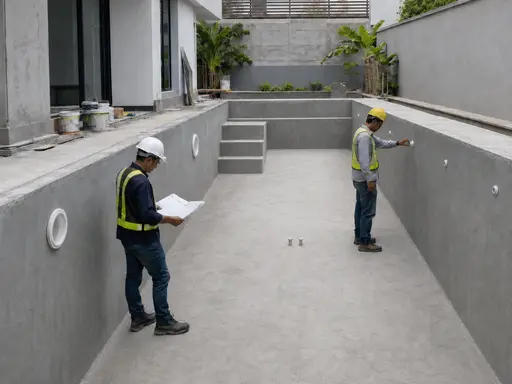
Planning a new swimming pool involves more than choosing its shape, tiles and water colour. The location, structure, pipework, filtration equipment, drainage, access and future maintenance all need to work together.
For swimming pool construction in Singapore, early coordination is especially important. Limited site access, neighbouring properties, heavy rain and local approval requirements can affect both the design and construction sequence. Confirming these matters before excavation reduces avoidable redesign, delays and additional work later.
What Are the Main Swimming Pool Construction Stages?
Although every project is different, most pools progress through the following stages:
Stage | What happens | Why it matters |
|---|---|---|
Site assessment | The property, access and surrounding conditions are reviewed | Identifies constraints before design begins |
Concept planning | Pool size, position, depth and intended use are agreed | Establishes the project direction and budget |
Detailed design | Structure, pipework, drainage, finishes and equipment are coordinated | Prevents conflicts between different parts of the pool |
Approvals | The required submissions and permissions are confirmed | Helps avoid unauthorised or delayed work |
Structural work | Excavation, reinforcement and the pool shell are completed | Creates the main watertight structure |
Services and finishes | Pipes, waterproofing, tiles and fittings are installed | Supports circulation, appearance and durability |
Testing and handover | The pool is filled, tested and commissioned | Confirms that the completed system operates correctly |
What Should Be Confirmed Before Design Begins?
Start with how the pool will be used. A family pool, lap pool, spa pool and shared facility have different priorities. Consider the users, suitable depths, entry points, steps, accessibility and surrounding deck.
Already have the proposed measurements? Use our swimming pool size calculator to estimate the pool size and support early planning.
The assessment should also review existing structures, underground services, drainage paths and access for machinery. In tightly built Singapore properties, the route from the road to the pool area can affect the construction method. Allow accessible, weather-protected space for the pump, filter and future servicing.
What Approvals May Be Required in Singapore?
Approval requirements depend on the property, design and use. Engage a Qualified Person to confirm the relevant URA, BCA and PUB requirements before work begins.
Structural approvals, permits or a licensed builder may be required. Public, commercial or shared-use pools should also confirm whether an NEA aquatic facility licence applies. Always check the requirements for the specific site.
1. Complete the Site Assessment
A site assessment should identify soil and groundwater conditions, nearby structures, underground services, drainage routes and excavation access. Singapore’s rainfall may also require temporary drainage and protection during construction. For landed properties, neighbour communication and a pre-construction condition survey may be appropriate when work is close to existing boundaries.
2. Develop the Pool Design and Budget
Once the constraints are understood, develop the pool size, depth, shape, steps, handrails, lighting, deck and safety features appropriate to the users.
The budget should include professional services, approvals, structural work, waterproofing, finishes, filtration, electrical work, drainage, testing and surrounding reinstatement. Difficult access, deep excavation and changes to existing services can raise the cost.
3. Coordinate the Structure, Pipework and Equipment
The structure, pipe routes and equipment must be coordinated before construction. Openings for drains, return inlets, lights and suction points should be confirmed before the concrete shell is completed, as late cutting or patching may increase leakage risk.
The filtration system should suit the pool and expected use. Leave enough room for technicians to reach valves, pumps and filters safely during future servicing.
4. Carry Out Structural and Waterproofing Work
After approvals, the pool is excavated and formed with reinforcement and concrete. Pipework should be tested before concealment, followed by careful waterproofing around joints, corners and penetrations before finishes are installed.
5. Install Finishes and Filtration Equipment
Select finishes for wet conditions, regular cleaning and long-term use. Tile layout, edges, steps and floor gradients should be consistent and easy to maintain.
The pump, filter, valves, circulation fittings, lighting and treatment equipment are then connected and checked. Choose equipment for performance, compatibility, serviceability and access to replacement parts.
6. Test, Commission and Hand Over the Pool
Before handover, complete the relevant leak, pressure, circulation, electrical and equipment checks. Fill and commission the pool gradually so that flow, filtration and treatment can be observed.
Handover should include instructions, manuals, warranties, test records and available as-built information. Completion is not only about appearance; the hidden systems must operate correctly and remain accessible for maintenance.
What Affects the Cost of Building a Swimming Pool in Singapore?
There is no standard price for every pool. Cost is influenced by size, depth, ground conditions, access, structure, finishes, equipment and deck work. Compare detailed scopes covering excavation, disposal, waterproofing, filtration, electrical work, testing and reinstatement, not only headline prices.
How Long Does It Take to Build a New Swimming Pool?
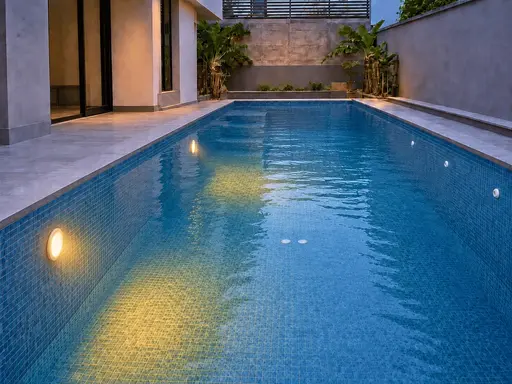
There is no fixed timeframe. The programme depends on design, approvals, procurement, access, ground conditions, weather and complexity. Ask for milestones covering submissions, structural work, curing, waterproofing, finishes, equipment installation and testing.
How Should You Choose a Contractor for Your Swimming Pool?
Experienced pool builders should be able to explain their proposed construction process, responsibilities and testing procedures clearly. Review more than photographs of completed pools and ask the contractor:
- Who will coordinate the design, approvals and construction sequence.
- Whether the required builder’s licence and insurance are in place.
- How excavation, neighbouring structures and wet-weather risks will be managed.
- How pipework, waterproofing and equipment will be tested.
- What is included in the quotation and defect-support period.
- What documents and training will be provided at handover.
Construction should be supported by workplace risk assessments and safe work controls. Clear responsibility between the owner, Qualified Person, builder and specialists helps reduce gaps.